
OPEC+ Shifts Quota System, Sets Stage for New Gulf Investment Wave
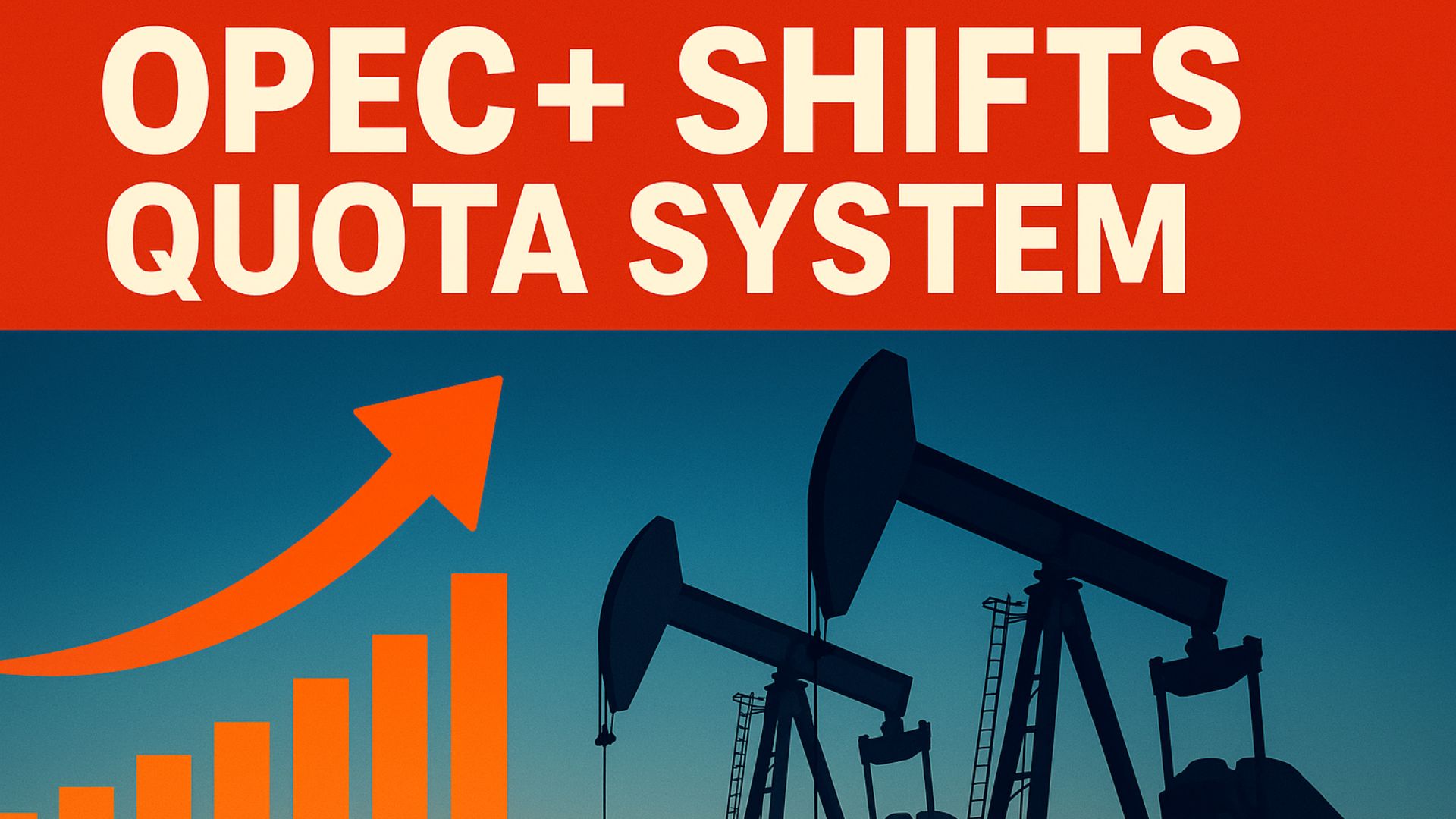
OPEC+ is preparing a major overhaul of its oil production quota system, moving away from outdated historical baselines and toward quotas linked to verified production capacity. This change, while technical on the surface, is expected to reshape investment flows and global supply dynamics.
Why this matters:
- Historical quota baselines no longer reflect real production capacity.
- Gulf producers have invested heavily in expanding capacity but couldn’t utilize it due to old limits.
- A capacity-based system allows countries with proven, low-cost output to gain a larger share.
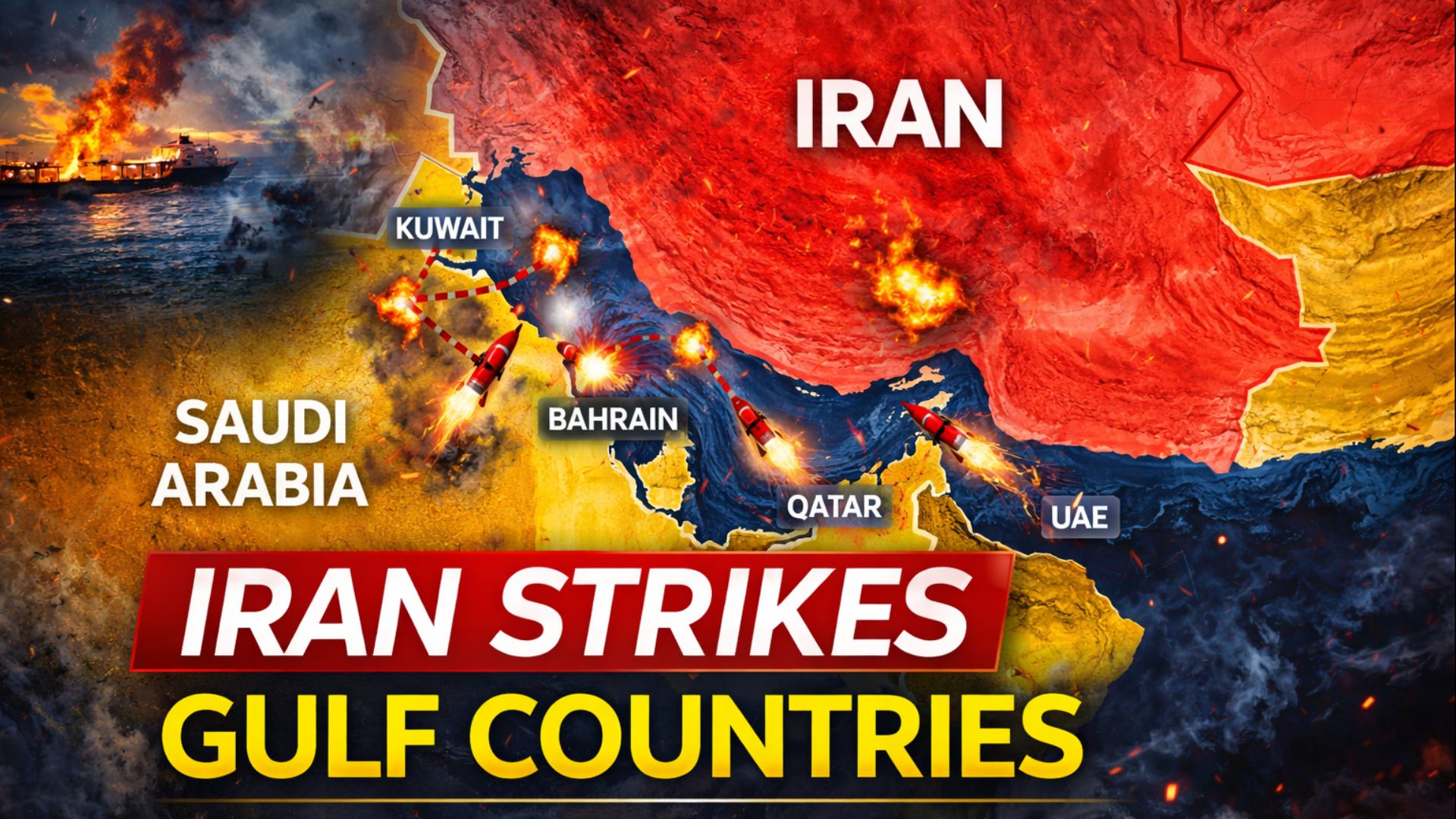
Winners in the new system: the Gulf bloc. Saudi Arabia, the UAE and Kuwait are positioned to benefit the most. These producers operate some of the world’s cheapest and most efficient fields. With new quota flexibility, they can finally justify years of upstream expansion.
Expected moves:
- UAE will likely fast-track offshore expansions and push aggressively for a higher baseline.
- Saudi Arabia could selectively scale output from its most profitable fields, keeping costs low even in weaker markets.
- Kuwait may accelerate modernization of aging assets to secure higher long-term capacity recognition.
Global implications:
- A surge in Gulf investment increases global spare capacity, improving supply reliability for big importers like India and China.
- Higher Gulf output could pressure higher-cost producers in Africa, Latin America and parts of OPEC+, who fear losing influence under a new system.
- This shift may intensify internal friction within OPEC+ as the gap between low-cost and high-cost producers widens.
The big picture: OPEC+ wants a quota framework that reflects real production potential, not legacy numbers. If negotiations hold, this reset could tilt market power even more toward the Gulf — and redraw the global oil landscape over the next decade.