
Healthcare Spending Seen on Steady Path as Budget Focuses on Infrastructure and Access
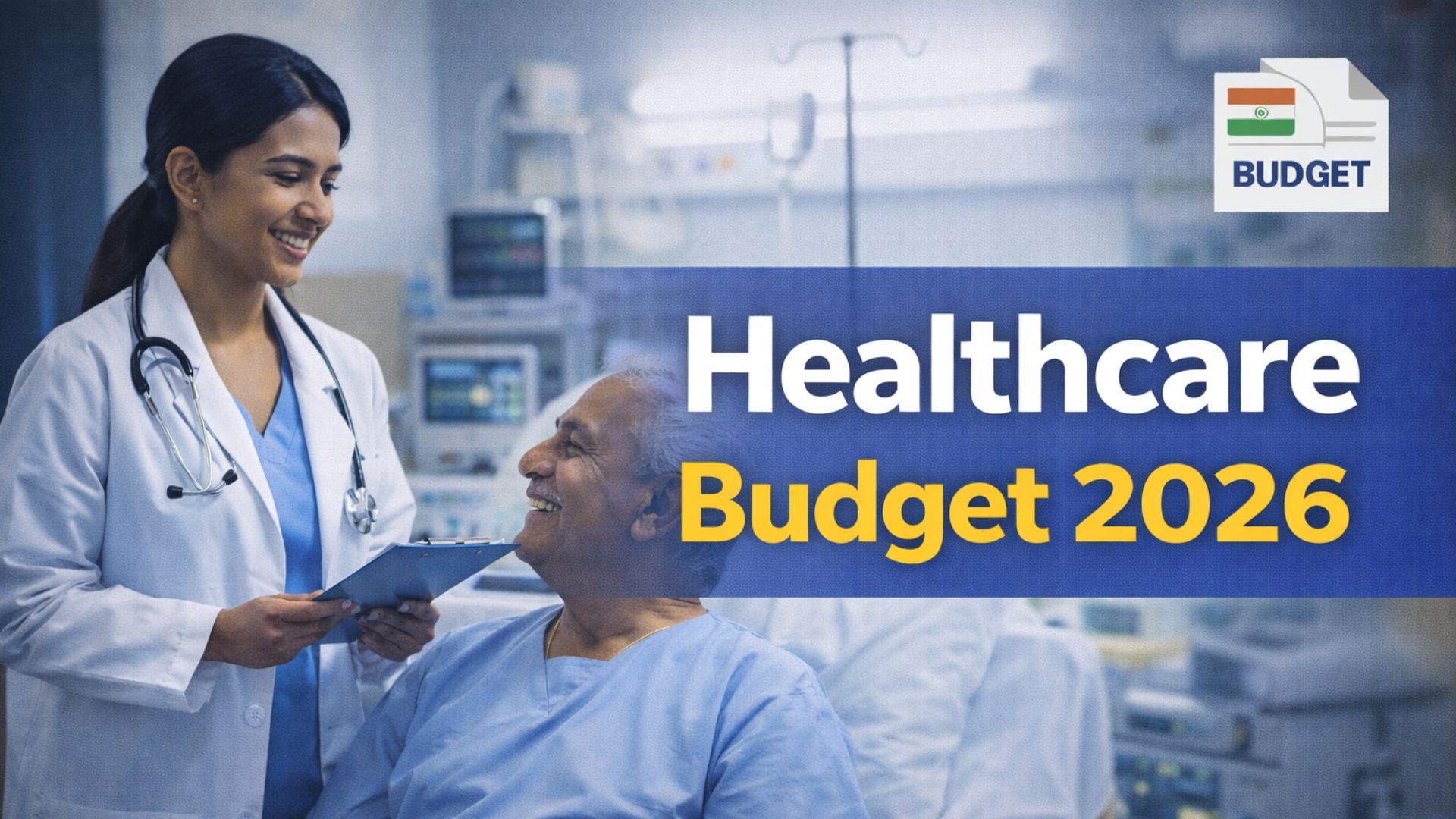
Healthcare remains a key policy area as India approaches the Union Budget on February 1, reflecting lessons from recent years and the need to strengthen public health systems. In the previous Union Budget (FY2025–26), the government allocated approximately ₹90,171 crore to the Ministry of Health and Family Welfare, marking a continued commitment to healthcare infrastructure and service delivery.
A significant share of this allocation was directed toward flagship programmes. The Ayushman Bharat – Pradhan Mantri Jan Arogya Yojana (PM-JAY) continued to receive substantial funding, providing health insurance coverage of up to ₹5 lakh per family per year to over 55 crore beneficiaries. Budgetary support was also extended to strengthen primary healthcare through Health and Wellness Centres, expand medical education, and improve disease surveillance and digital health systems.
Expectation: Ahead of Budget 2026, policymakers and healthcare experts expect continuity in healthcare spending, with emphasis on strengthening public hospitals, expanding primary care, and improving access in rural and semi-urban areas. Rather than launching multiple new schemes, focus is expected on improving outcomes under existing programmes.
Economic and Social Context: Public healthcare expenditure in India remains around 2% of GDP, lower than many comparable economies. Rising healthcare costs and uneven access have highlighted the importance of sustained government investment to reduce out-of-pocket expenses for households.
Prediction: While a sharp increase in headline allocations may be constrained by fiscal considerations, incremental increases targeted at infrastructure, workforce capacity, and digital health are likely. Medical education expansion and preventive healthcare may receive additional attention.
National Outlook and Hope: Continued investment in healthcare is viewed as critical for improving human capital and economic productivity. Strengthening public health systems could enhance resilience against future health challenges, improve service quality, and reduce financial stress on households over the long term.