
Manufacturing in Focus as Budget Eyes Policy Stability and Execution
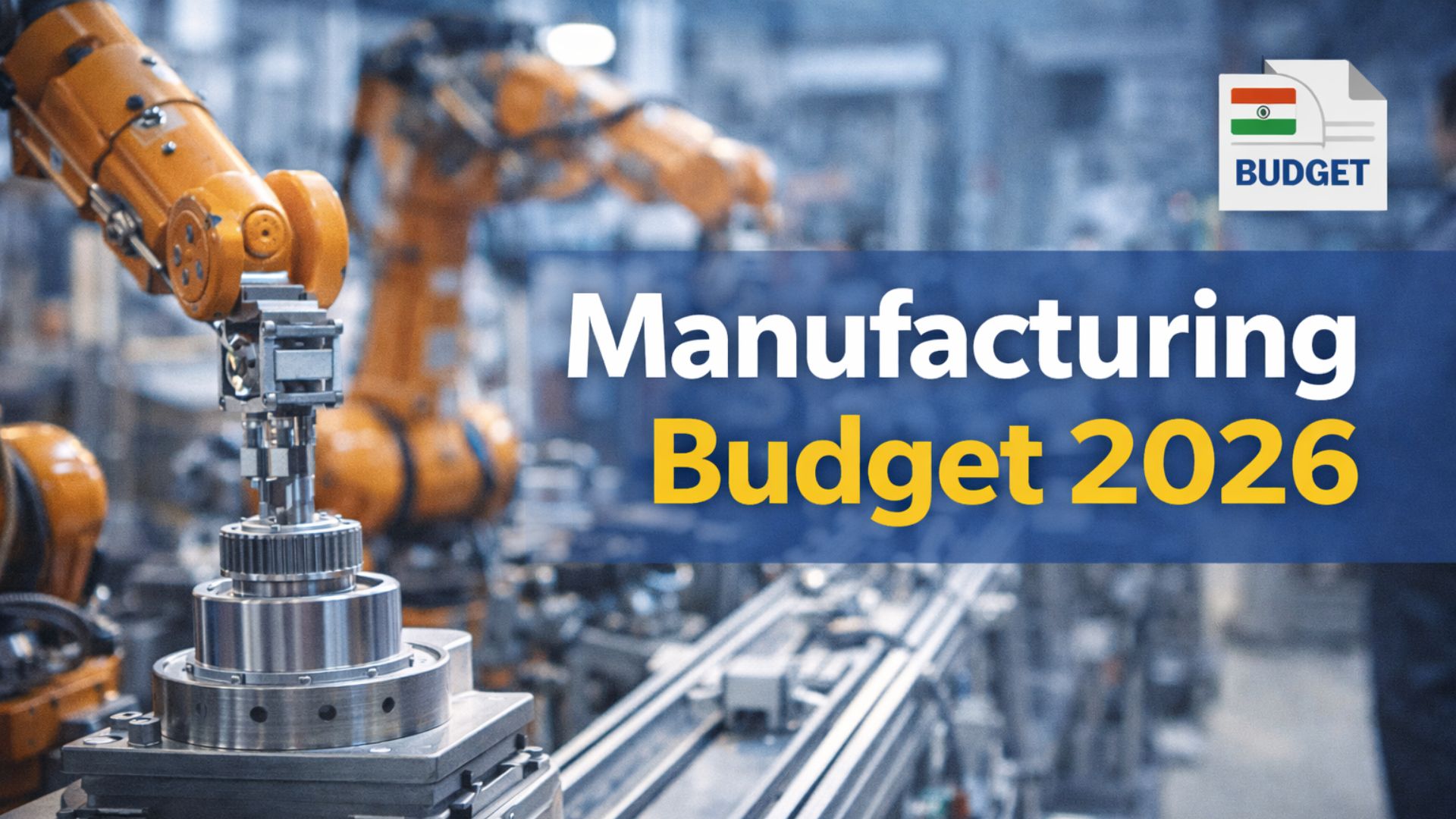
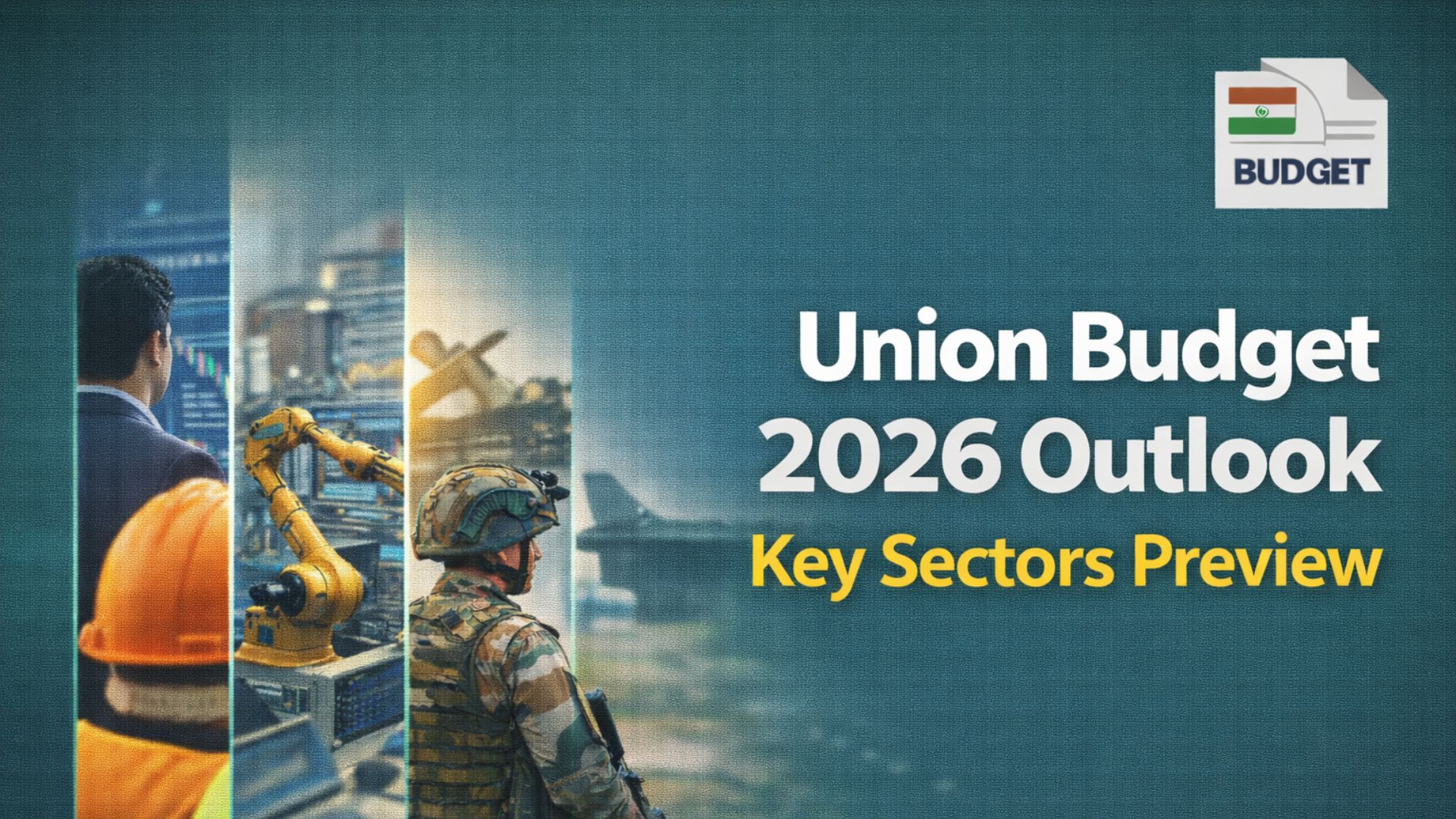
Manufacturing remains a strategic priority for India as the government prepares to present the Union Budget on February 1. In the previous Union Budget (FY2025–26), the government allocated ₹1.64 lakh crore to the Ministry of Heavy Industries and related manufacturing-linked schemes, including production-linked incentive (PLI) programs aimed at strengthening domestic production.
In addition, PLI schemes across sectors such as electronics, automobiles, pharmaceuticals, and specialty steel carried a total outlay commitment of over ₹1.9 lakh crore, spread across multiple years, underscoring the government’s long-term manufacturing intent.
Expectation: Industry stakeholders expect the upcoming budget to maintain continuity in manufacturing policy rather than introduce major structural changes. Emphasis is likely to remain on execution of existing PLI schemes, faster disbursal of incentives, and support for value-added manufacturing.
Economic Context: Manufacturing contributes around 17–18% of India’s GDP, and strengthening this share is seen as critical for employment generation and export competitiveness. Stable policy signals have helped attract global companies seeking supply-chain diversification.
Prediction: While a sharp increase in headline allocations may be limited, targeted refinements in incentive structures and improved coordination with MSMEs are expected. The budget may also reinforce export-oriented manufacturing through logistics and infrastructure support.
National Outlook and Hope: A steady and predictable manufacturing framework is viewed as essential for India’s ambition to become a global manufacturing hub. Continued focus on domestic production could help reduce import dependence, strengthen exports, and support sustainable economic growth over the medium term.